


Close
Jakarta Office
Jl. Pluit Utara Raya No.61
Penjaringan – Jakarta Utara
Enquiries
info@intisumberbajasakti.com
05 October 2026


When selecting rebar for construction needs, a common question arises: should one choose plain rebar or deformed (ribbed/threaded) rebar? At a glance, the difference is easily visible in the surface texture. Plain rebar has a relatively smooth surface, whereas deformed rebar features a pattern of ribs or threads.
However, the difference goes beyond mere appearance.
The surface shape dictates how the reinforcement interacts with the concrete. Therefore, the choice of rebar must align with the reinforcement's function, structural requirements, construction drawings, and project specifications.
So, what exactly distinguishes plain rebar from deformed rebar? Here is an explanation.
What Is Plain Rebar?
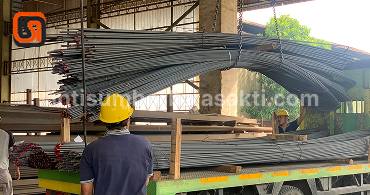
Plain rebar is reinforcing steel characterized by a relatively smooth, round surface. Standards for concrete reinforcing steel categorize reinforcement types based on surface characteristics, distinguishing between plain-surface reinforcement and ribbed or deformed (threaded) reinforcement.
Because the surface lacks ribs, plain rebar is relatively easier to bend and shape for specific tasks.
Plain rebar is also commonly referred to as "plain bar."
Note: The selection of reinforcement for structural elements must strictly adhere to construction drawings and project technical specifications. Do not determine the type or diameter of reinforcement based solely on common practices in the field.
What Is Deformed Rebar?
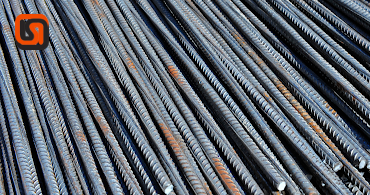
Unlike plain rebar, deformed rebar features a pattern of ribs on its surface. This pattern enhances the mechanical bond between the reinforcement and the concrete.
Deformed rebar is also known as "deformed bar."
In construction, deformed rebar is commonly used as reinforcement in reinforced concrete structural elements. Technical documents from the Ministry of Public Works and Housing (PUPR) state that concrete reinforcing steel encompasses both plain and ribbed/deformed varieties; the use of reinforcement in construction must comply with applicable standards and structural specifications.
Differences Between Plain Rebar and Deformed Rebar
The most obvious difference lies in the surface texture. However, for project requirements, there are several other aspects that need to be considered.
| Aspect | Plain Reinforcing Bar | Deformed Reinforcing Bar |
|---|---|---|
| Surface | Relatively smooth | Has ribs/deformations |
| Bond with Concrete | Relies more on bonding mechanisms and anchorage details | Ribs help improve mechanical interlocking with concrete |
| Forming | Relatively easier to bend | Forming must follow project specifications and work methods |
| Application | Depends on the project design and specifications | Commonly used as reinforcement in reinforced concrete elements |
| Selection | Based on work requirements and design | Based on work requirements and design |
It is important to note that deformed rebar does not necessarily replace plain rebar, nor vice versa. The type of reinforcement is determined by structural requirements and design specifications.
Why Does Deformed Rebar Have Ribs?
This is one of the most significant differences between the two types of rebar.
When reinforcement is embedded in concrete, it must interact with the surrounding concrete to function effectively as part of the reinforced concrete structure.
With deformed rebar, the rib pattern on the surface creates a mechanical interlock between the reinforcement and the concrete. Therefore, the ribbed surface is not merely a decorative feature of the steel bar.
The more precisely the reinforcement specifications are met and the installation follows the working drawings, the better the reinforcement aligns with the structural design requirements.
Can Plain Rebar Not Be Used for Structures?
The choice of rebar should not be based on the assumption that "deformed bars are stronger, so everything should use deformed bars." The type and grade of reinforcement must comply with structural calculations, working drawings, applicable standards, and project specifications.
According to PUPR (Ministry of Public Works and Housing) guidelines on the use of concrete reinforcement steel, the selection of reinforcement must adhere to applicable standards for concrete reinforcement steel and structural concrete requirements.
This means that before purchasing materials, it is crucial to verify the type of reinforcement specified for the job.
Plain vs. Deformed Rebar: Which Should You Choose?
The answer depends on the project's requirements.
Key factors to check before purchasing include:
1. Check the working drawings
Structural drawings typically specify the type, diameter, quantity, and detailing of the required reinforcement.
Do not substitute the type of reinforcement simply because another material is easier to source or has a different price.
2. Pay attention to diameter and specifications
Rebar of different diameters possesses different characteristics and weights. Therefore, diameter should not be considered the only detail requiring verification.
For project needs, ensure that the delivered material matches the ordered specifications. 3. Ensure materials meet standards
Concrete reinforcing steel is subject to specific product standards. Currently, the National Standardization Agency of Indonesia (BSN) designates SNI 2052:2024 – Concrete Reinforcing Steel as the applicable standard.
For construction purposes, verifying documents and material specifications is a crucial step before the materials are put to use.
4. Align with project requirements
The type of reinforcement required varies from project to project. Therefore, purchasing decisions should be based on the bar schedule, working drawings, or technical specifications applicable to the project.
Don't Judge Solely by Appearance When Purchasing
While the visual difference between plain and deformed (ribbed) reinforcing bars is obvious, material inspection should go beyond mere appearance.
Upon the material's arrival at the project site, the following aspects should be checked:
Type of reinforcement matches the order
Nominal diameter meets specifications
Bar length meets requirements
Physical condition of the material
Product identification or markings (if available)
Quality documents or certificates required by the project
Compliance with standards and technical specifications
The Ministry of Public Works and Housing (PUPR) also emphasizes the use of concrete reinforcing steel that complies with Indonesian National Standards (SNI) in construction work.
Conclusion
The primary difference between plain and deformed reinforcing bars lies in their surface characteristics. Plain bars have a relatively smooth surface, whereas deformed bars feature ribs or ridges that facilitate mechanical interlocking with the concrete.
However, selecting reinforcing steel involves more than just choosing the one that looks stronger. The type of reinforcement must align with the structural design, working drawings, project specifications, and applicable standards.
Before placing an order, ensure that the type, diameter, quantity, and specifications of the reinforcing steel meet the project's requirements.
Need Reinforcing Steel for Your Project?
As a steel distributor, ISBS supplies a wide range of iron and steel materials to support construction needs. Whether you require specific quantities or specifications, ensure that the ordered materials align with your project requirements and the applicable technical specifications. Contact PT Intisumber Bajasakti (ISBS) for product information and rebar requirements for your project.
FAQ
What is the main difference between plain and deformed rebar?
The main difference lies in the surface. Plain rebar has a relatively smooth surface, whereas deformed rebar features ribs or patterns that facilitate mechanical interlocking with the concrete.
Is deformed rebar stronger than plain rebar?
Strength cannot be determined solely by whether the bar is plain or deformed; steel grade, diameter, and product specifications must also be considered. The choice of reinforcement must align with the project's design and specifications.
Is plain rebar still used?
Plain rebar remains a recognized type of reinforcing steel under established standards, though its use must comply with design requirements and project specifications.
How do I choose rebar for a project?
Start by consulting the working drawings and technical specifications. Check the reinforcement type, diameter, quantity, product standards, and quality requirements before placing an order.
Must rebar comply with SNI?
The use of concrete reinforcing steel must adhere to applicable standards and project technical requirements. The National Standardization Agency of Indonesia (BSN) currently lists SNI 2052:2024 as the applicable standard for concrete reinforcing steel.
For construction needs, ISBS supplies SNI-compliant rebar in various sizes and specifications. Product availability can be tailored to project requirements, whether for home construction, structural work, or other construction needs.
FAQ
What is the main difference between plain and deformed rebar?
The main difference lies in the surface. Plain rebar has a relatively smooth surface, whereas deformed rebar features ribs or patterns that facilitate mechanical interlocking with the concrete.
Is deformed rebar stronger than plain rebar?
Strength cannot be determined solely by whether the bar is plain or deformed; steel grade, diameter, and product specifications must also be considered. The choice of reinforcement must align with the project's design and specifications.
Is plain rebar still used? Plain reinforcing bars remain a recognized type of reinforcement steel under established standards; however, their use must align with design requirements and project specifications.
How do you select reinforcing bars for a project?
Start by consulting the project's working drawings and technical specifications. Verify the reinforcement type, diameter, quantity, product standards, and quality requirements before placing an order.
Must reinforcing bars comply with SNI?
The use of concrete reinforcing steel must adhere to applicable standards and project technical requirements. The National Standardization Agency of Indonesia (BSN) currently designates SNI 2052:2024 as the applicable standard for concrete reinforcing steel.
For construction needs, ISBS supplies SNI-compliant reinforcing bars in a variety of sizes and specifications. Product availability can be tailored to project requirements, whether for residential construction, structural work, or other construction applications.
Back to List